Good inspection documentation allows returning to a specific location even after a long time. It should show what was examined, what changes were noticed, and which work was performed. It does not need to contain extensive descriptions; more important are clear photos and the names of the materials used.
Determine the method of labelling photos
Start with a view of the entire fireplace, then move on to details. For a defect, show the scale and position in relation to a recognisable element. A single photo of an edge without a wider frame often does not allow determining later which side of the device it concerns.
Record the model, date, and scope of available inspections. Distinguish your own observation from client information. If a part remains covered, indicate this in the description instead of presenting its condition as confirmed based on the neighbouring surface.
Link the product to the repair location
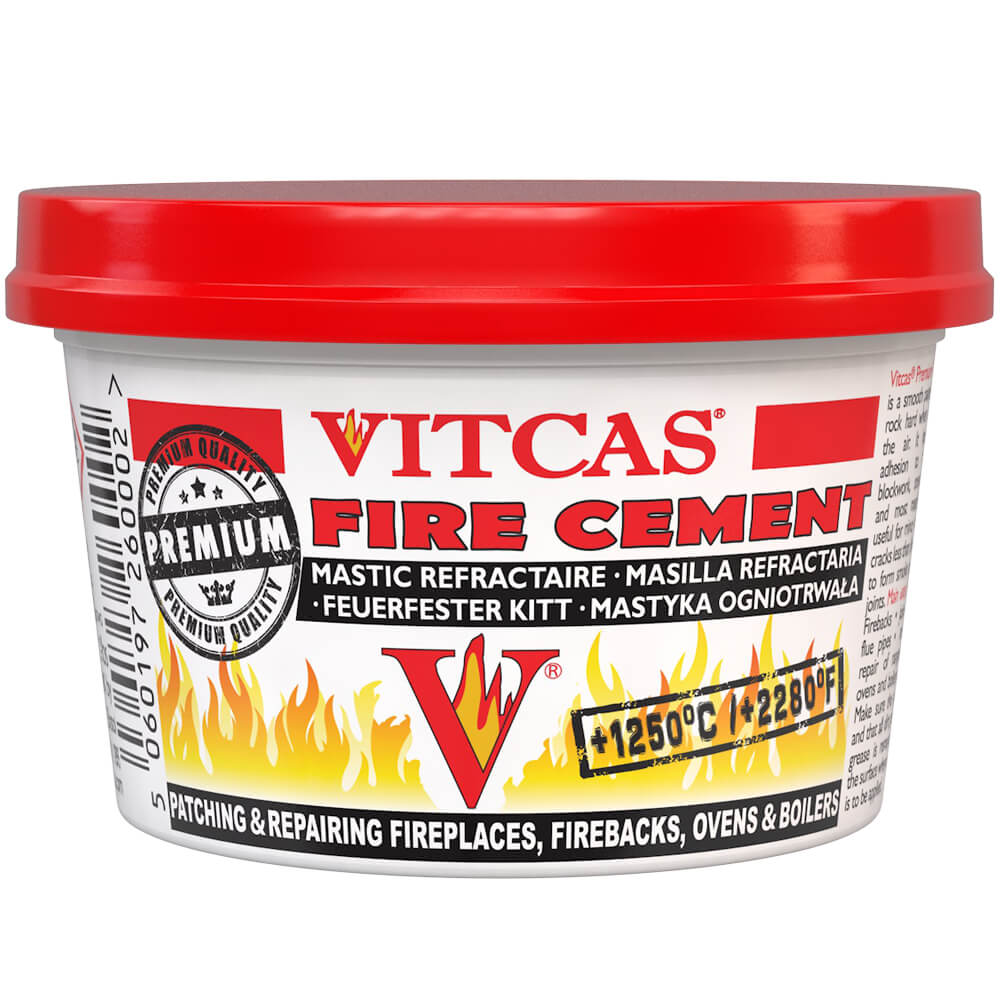
For minor repairs in accordance with Premium Fire Cement, record the variant and substrate. For black stove rope, provide the format, routing, and adhesive used. This will later allow the actual material to be reproduced without guessing based on the colour of the remains.
If a surface from Heat Resistant Plaster has been renewed, also describe the substrate and layer preparation. The plaster's name alone does not show what is beneath it. Keep a photograph before decoration if an important detail will be covered.
Finish the description with further findings
Separate completed work from tasks that are still needed. Take into account the required bonding, drying, preparation to temperature, and further device inspection. The inspection description should not pretend to be a test or acceptance protocol that was not actually carried out.
Provide the client with a legible record with the date and device identification. Keep photos in the order corresponding to the description. During the next visit, comparing the same points will show what has changed, and the repair history will remain understandable to someone who did not participate in the previous work.