Forge and hearth construction
Guides on building blacksmith forges, hearths and other high-heat work zones with the right combination of fire bricks, refractory concrete and dependable jointing materials.
Refractory systems, insulation and heatproof construction
Technical articles for fireplaces, stoves, forges and ovens.
Clear guidance on fire bricks, refractory cement, insulation and repair materials.

Guides on building blacksmith forges, hearths and other high-heat work zones with the right combination of fire bricks, refractory concrete and dependable jointing materials.
Clear introductions to the Vitcas range: fire cement, castable refractory, heat resistant adhesives, boards and insulation products used across fireplaces, stoves and ovens.
Learn how to layer structural and insulating materials correctly to retain heat, improve safety and extend the service life of kilns, bread ovens, fireplaces and flue systems.
Step-by-step articles covering crack repair, sealing stove doors, refreshing fireback surfaces and choosing heat-resistant products for long-term upkeep.

Posted on 10/20/9099 05:22PM
A properly made chimney construction guarantees the proper functioning of the chimney. This is why it is worth using materials such as high-quality mortar for chimney construction. The chimney is a critical component, discharging the products of combustion from heating appliances such as cookers...
Posted on 10/20/2026 09:00AM
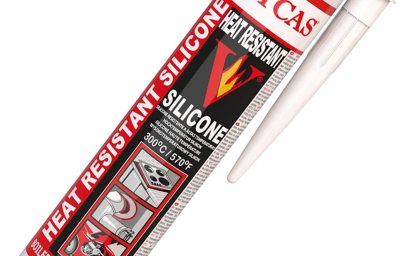
The temperature on the Vitcas data sheet helps assess the product, but it does not create a single scale of substitutes. Silicone, plaster, and mortar have different tasks and installation conditions. First, name the work the material is supposed to do, and only then compare its parameters with the...
Posted on 09/20/2026 09:00AM
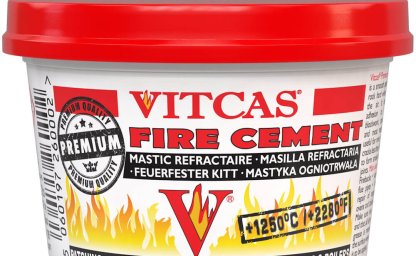
Good inspection documentation allows returning to a specific location even after a long time. It should show what was examined, what changes were noticed, and which work was performed. It does not need to contain extensive descriptions; more important are clear photos and the names of the materials...